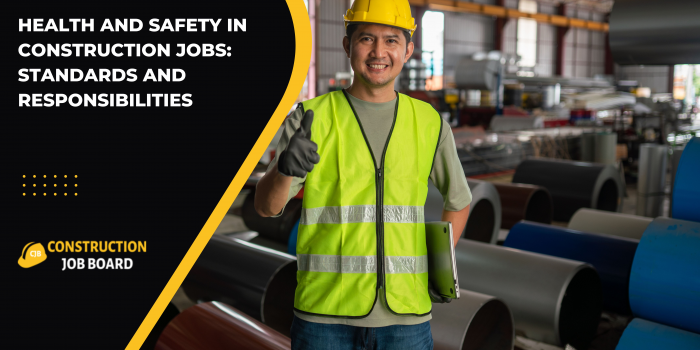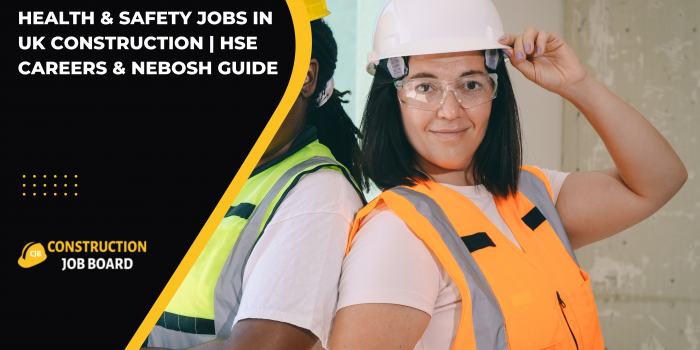


Construction health and safety jobs are among the most important and professionally rewarding roles in the industry. The UK construction sector has a significantly higher incidence of fatal and serious injuries than most other industries, and the professionals who work to prevent these incidents — through rigorous risk management, proactive safety culture development, and enforcement of legal and contractual requirements — protect workers, clients, the public, and the organisations they serve from devastating consequences.
Authority in construction health and safety flows from professional qualification, legislative knowledge, and the credibility earned through consistent, principled application of safety management principles. A CMIOSH-qualified Health and Safety Manager who has successfully managed the safety of a major complex project, with a strong track record and zero fatalities, is one of the most respected professionals in the industry.
Health and Safety Advisors provide on-site advisory, inspection, and training support. They conduct site inspections, deliver inductions and toolbox talks, assist with risk assessment preparation, investigate incidents, and produce safety reports. Health and Safety Managers take strategic responsibility for the safety management system on a project or across a business — developing the Construction Phase Plan (under CDM 2015), chairing safety meetings, auditing subcontractors, and managing regulatory relationships.
Principal Designer roles (under CDM 2015) are filled by safety professionals who manage pre-construction health and safety — coordinating designers to eliminate hazards through design and compiling pre-construction information. CDM Coordinators and Safety Consultants work independently or for specialist consultancies, advising clients and principal contractors on their statutory duties. Health, Safety and Environment (HSE) Managers combine safety with environmental management, a common structure on infrastructure projects.
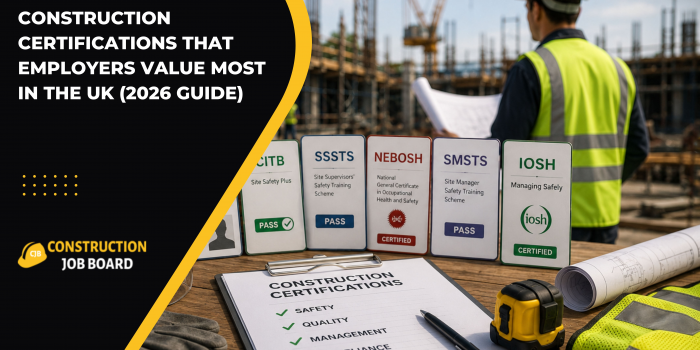
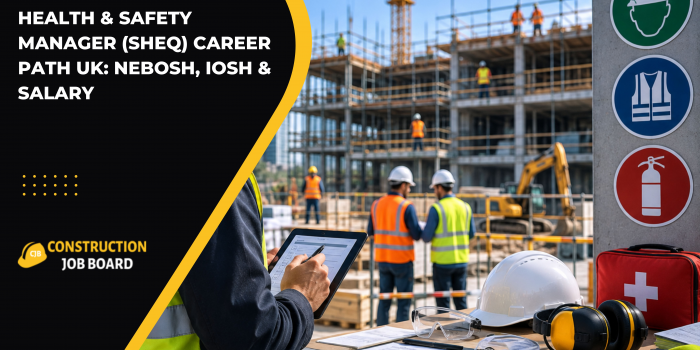
NEBOSH qualifications are the gold standard in UK construction health and safety. The NEBOSH National Certificate in Construction Health and Safety is the most widely required qualification for site-based safety roles. The NEBOSH National Diploma (or equivalent Level 6 qualification) is required for chartered membership of IOSH (CMIOSH). IOSH membership — at Associate (AIOSH), Graduate (GradIOSH), or Chartered (CMIOSH) level — demonstrates professional standing and commitment to continuing professional development.
For Principal Designer roles, a thorough understanding of the design process and the ability to communicate effectively with structural engineers and architects is essential. Strong relationships with site managers and quality control teams are fundamental to effective safety management in the construction phase.
Health and Safety Advisors typically earn £35,000 to £50,000. Health and Safety Managers command £50,000 to £70,000. Senior HSE Managers and Principal Designers earn £65,000 to £90,000. Head of Health and Safety or Group Safety Director roles at major contractors carry salaries of £90,000 to £130,000. Contract health and safety managers earn £350 to £550 per day. Demand is strong across all construction sectors, with the highest rates on large infrastructure, rail, nuclear, and offshore projects.
The most effective safety professionals are those who build a culture of proactive risk awareness rather than one of reactive compliance. This means engaging labourers and skilled tradespeople in safety conversations, empowering them to stop unsafe work, and recognising positive safety behaviours. Safety professionals who demonstrate these leadership qualities progress fastest and have the greatest positive impact on the industry.